
Introduction
Selecting the right camera is essential for new photographers aiming to capture stunning images and develop their skills. The best camera empowers beginners, making it easier to experiment and learn. It bridges the gap between a novice’s vision and the images they produce, facilitating creativity while being user-friendly and budget-conscious. Now, let’s explore the top cameras for those setting out on this exciting journey.
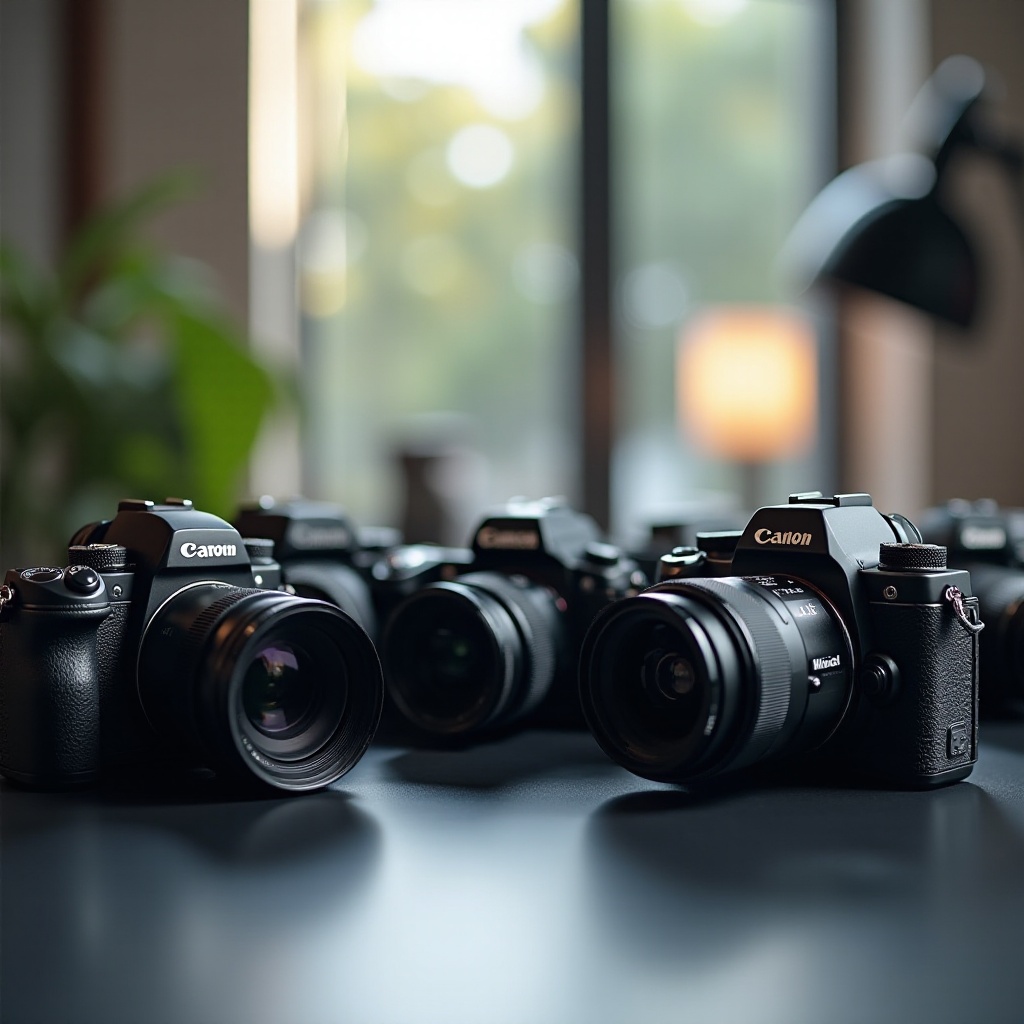
Understanding Camera Types
Knowing the different camera types helps make an informed choice. Each type offers unique benefits that cater to different photography needs:
DSLR Cameras
DSLRs are renowned for their versatility and superior image quality, making them a favorite among many beginners. Their interchangeable lenses and robust manual controls allow budding photographers to explore a wide range of creative possibilities.
Mirrorless Cameras
Compact and lighter, mirrorless cameras boast advanced features equal to those in DSLRs, including excellent autofocus and high-quality sensors. These cameras are particularly attractive for those who value portability and cutting-edge technology.
Compact and Smartphone Cameras
For everyday shooting, compact and smartphone cameras offer convenience without the complexity. Despite their smaller size, many deliver impressive image quality and are ideal for capturing spontaneous moments.
Understanding these types sets the stage for evaluating other crucial features, facilitating better-informed decisions when selecting the right camera.
Key Features to Consider
Beyond types, specific features can significantly enhance the beginner’s experience:
Sensor Size and Megapixels
While a larger sensor generally provides better image quality, the relationship between sensor size and megapixels should represent a balance. More megapixels allow for higher resolution images but don’t always guarantee quality. Beginners should consider what matters most for their photographic goals.
Ease of Use and Auto Modes
Auto modes and intuitive interfaces allow beginners to focus on creativity and composition rather than technical adjustments. Cameras that offer straightforward menus and automatic settings are particularly beneficial for those new to photography.
Lens Compatibility and Versatility
Investing in a camera with a diverse and compatible lens range broadens creative horizons. It allows photographers to adapt their equipment to various styles and subjects, encouraging growth beyond initial capabilities.
With this understanding, we can now move to our top camera recommendations, tailored specifically for newcomers.
Top Camera Recommendations for Beginners
Here are some of the best cameras for new photographers entering the field in 2024:
Camera 1: [Brand & Model]
This entry-level DSLR offers a strong foundation with intuitive controls and exceptional stabilization, making it perfect for learning essential photography techniques.
Camera 2: [Brand & Model]
A standout in the mirrorless segment, this camera is compact yet powerful, offering stellar image quality along with modern features like wireless connectivity and touch interfaces.
Camera 3: [Brand & Model]
Known for its ease of use, this compact camera enables seamless sharing and captures excellent quality images, prioritizing user comfort and automated modes.
After considering these recommendations, equipping oneself with essential accessories can further elevate the photography experience.
Essential Accessories for New Photographers
Complementing your camera with the right accessories maximizes potential and ensures preparedness:
Lenses and Filters
A versatile lens, like a zoom lens, covers a broad range of scenarios. Filters, such as polarizing or UV filters, offer image protection and enhancement.
Tripods and Stabilization
A sturdy yet portable tripod is invaluable for capturing steady and precise shots, especially useful in low-light conditions or for shooting landscapes.
Carrying Cases and Straps
A well-designed carrying case protects your equipment, while a comfortable strap allows for oversight-free portability—crucial for long photo sessions.
Acquiring these accessories supports learning, enabling beginners to execute and experiment with more complex photographic techniques. Now, understanding the essentials, consider crucial buying tips to make an informed purchase.
Buying Tips for First-Time Camera Buyers
Making the right purchase involves strategic considerations:
Shopping and Testing in Stores
Hands-on experience in stores offers tactile familiarity with different models. Testing a camera’s weight, grip, and interface interaction can heavily influence choice.
Reading and Understanding Reviews
Researching reviews provides collective user insights into performance and reliability. Look for trends in feedback to determine consistent advantages or drawbacks.
Budget and Warranty Considerations
Balancing initial costs with long-term investment value is crucial. Prioritize cameras with robust warranties, offering peace of mind and protection against defects.
Following these tips ensures a satisfying purchase that aligns with personal objectives and supports photographic pursuits.

Conclusion
Selecting the best camera marks the beginning of a photographer’s creative and technical journey. Whether opting for DSLR precision, mirrorless innovation, or compact convenience, the right choice caters to personal preferences and future aspirations. Equip yourself wisely, and let your vision come to life as you explore the vibrant world of photography.
Frequently Asked Questions
What is the easiest camera for a beginner to use?
Many beginners find compact or entry-level mirrorless cameras easiest, thanks to their intuitive controls and automatic settings.
Is it better to start with a DSLR or a mirrorless camera?
Both have their merits. DSLRs offer ruggedness and range, while mirrorless cameras provide compactness and advanced features. It depends on personal preference.
How important are extra lenses for beginners?
While not immediately necessary, extra lenses offer creative flexibility and better results in specific photography scenarios, proving valuable as skills progress.