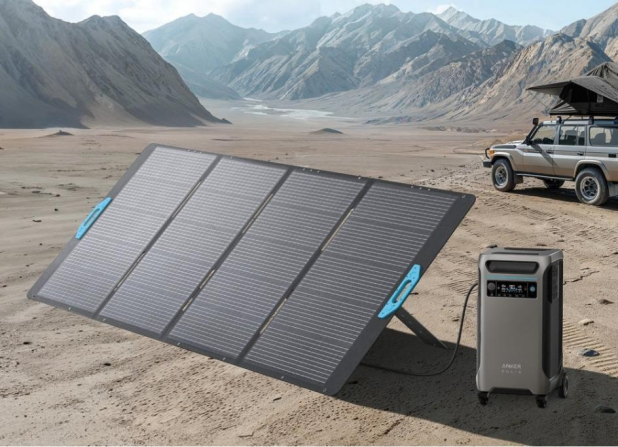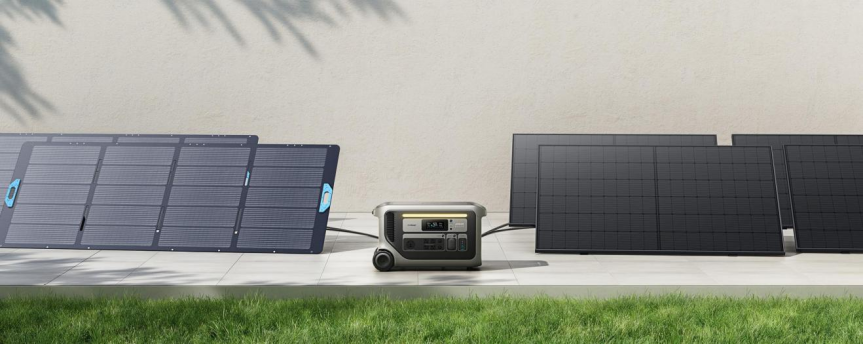
Reliable backup power has become an important part of modern home preparedness as daily life depends more on electricity. From keeping food fresh to maintaining communication, even short outages can cause major inconvenience. Traditional fuel generators have long been used as backup, but solar-powered systems are now a practical and accessible alternative. They store energy quietly and can recharge using sunlight, making them useful in both emergencies and everyday life. Understanding how solar backup works helps households make smarter, safer energy choices. In this article, the benefits of solar backup power and how it supports comfort, safety, and independence are explained.
1. Clean and Renewable Energy
Zero emissions and no pollution
Solar backup systems generate electricity without burning fuel, which means no smoke or harmful exhaust. This clean operation makes them safer for families, pets, and indoor environments. Unlike traditional generators, there is no need to worry about carbon monoxide buildup. Homes remain comfortable without introducing air pollution into living spaces. This is especially valuable in densely populated neighborhoods where fumes can affect others. Clean energy use supports healthier everyday living.
Powered by free sunlight
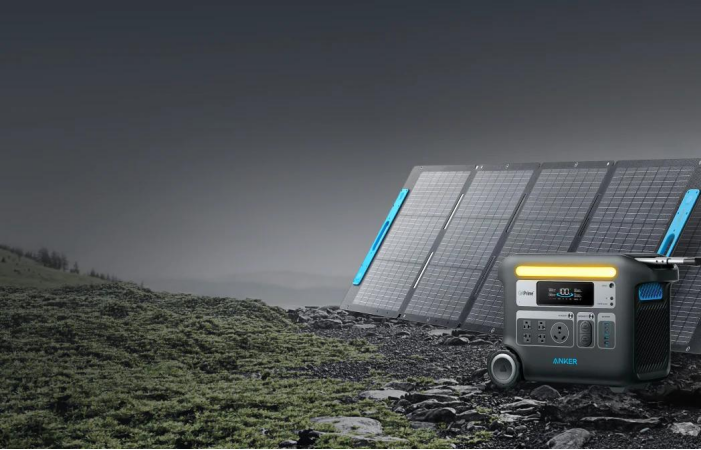
Sunlight is an abundant and renewable energy source available almost everywhere. Solar panels capture this energy and convert it into electricity that can be stored for later use. Once installed, sunlight costs nothing, reducing long-term operating expenses. Even partial sun exposure can contribute to charging throughout the day. Over time, this renewable input lessens dependence on purchased energy. Free energy from the sun makes backup systems more sustainable.
2. Quiet and Safe Operation
No loud noise like gas generators
Noise can be a serious issue during power outages, especially at night. Solar backup systems operate silently because they use stored battery power rather than combustion engines. This allows families to sleep comfortably while still running essential devices. Neighbors are also less likely to be disturbed by constant engine sounds. Quiet operation helps maintain a calm environment during already stressful situations. Silence becomes an important part of emergency comfort.
Safe for indoor use with no fumes
Battery-based power stations do not produce exhaust gases, making them safe to use indoors. There is no need for outdoor placement or special ventilation. This is especially helpful during storms or extreme weather when going outside is unsafe. Families can power lights, medical equipment, or communication devices from inside the home. Reduced fire risk compared to fuel storage also improves overall safety. Indoor-safe design adds convenience and peace of mind.
3. Lower Long-Term Costs
No ongoing fuel expenses
Fuel costs can add up quickly when running traditional generators for extended periods. Solar backup systems eliminate the need for gasoline or diesel purchases. After the initial investment, sunlight provides free recharging energy. This makes operating costs far more predictable over time. Households avoid emergency trips to buy fuel during shortages. Lower ongoing expenses make solar backup financially appealing.
Minimal maintenance required
Fuel generators require oil changes, filter replacements, and mechanical servicing. Solar power stations have far fewer moving parts, reducing maintenance needs. Keeping panels clean and ensuring proper storage is usually sufficient. Fewer maintenance tasks mean less time, effort, and expense. Reliable performance with minimal upkeep makes these systems practical for busy households. Simplicity improves long-term usability.
4. Reliable in Emergencies
Works during grid outages
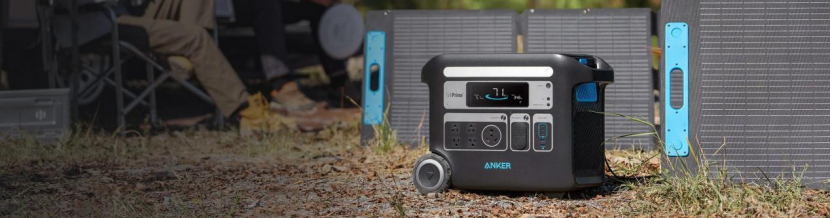
Solar backup systems store electricity in advance, so they remain ready when the grid fails. Lights, routers, and refrigerators can continue operating without interruption. Many households prepare for storms by keeping a charged portable unit on hand, and products such as the Anker SOLIX portable power station are often chosen because they balance capacity, mobility, and ease of use in typical home settings. Stored energy measured in watts units helps determine how long essential devices can run. Having immediate access to backup power reduces stress during emergencies. Reliable stored energy improves household resilience.
No need to find fuel in a crisis
During widespread outages, fuel may be difficult or unsafe to obtain. Solar backup systems remove the need to travel in hazardous conditions searching for gasoline. If sunlight is available, recharging can continue even when supply chains are disrupted. This self-sufficiency is especially valuable during natural disasters. Families can focus on safety rather than logistics. Independence from fuel supply adds reliability.
5. Energy Independence
Less reliance on utility power
Solar backup reduces dependence on centralized power infrastructure. Homes gain the ability to store and use their own energy when needed. This added flexibility is useful during both emergencies and routine outages. Even partial independence improves energy security. Families feel more prepared knowing they can manage short-term disruptions. Greater control leads to increased confidence.
Can pair with batteries for 24/7 power
Solar panels generate electricity during daylight, while batteries store energy for nighttime use. Together, they create a more continuous power supply. This pairing ensures essential devices remain powered around the clock. Battery storage smooths out fluctuations in sunlight availability. Reliable energy access becomes possible without constant grid support. Integrated systems provide dependable performance.
Conclusion
Solar backup power offers a clean, quiet, and dependable alternative to traditional fuel generators. It supports daily comfort while also providing critical energy during emergencies. Lower operating costs and minimal maintenance make it practical for long-term use. Safe indoor operation and renewable charging improve convenience and sustainability. With thoughtful planning and proper sizing, solar backup systems help households stay prepared and energy secure in a wide range of situations.
Visited 1 times, 1 visit(s) today