Introduction
Smartphones are increasingly integrating innovative features to enhance not just communication, but also everyday conveniences and safety. Among these innovations, infrared cameras stand out. These cameras provide users with new capabilities, such as improved night photography and health monitoring, positioning themselves as essential elements in next-generation smartphones.
What is an Infrared Camera in Smartphones?
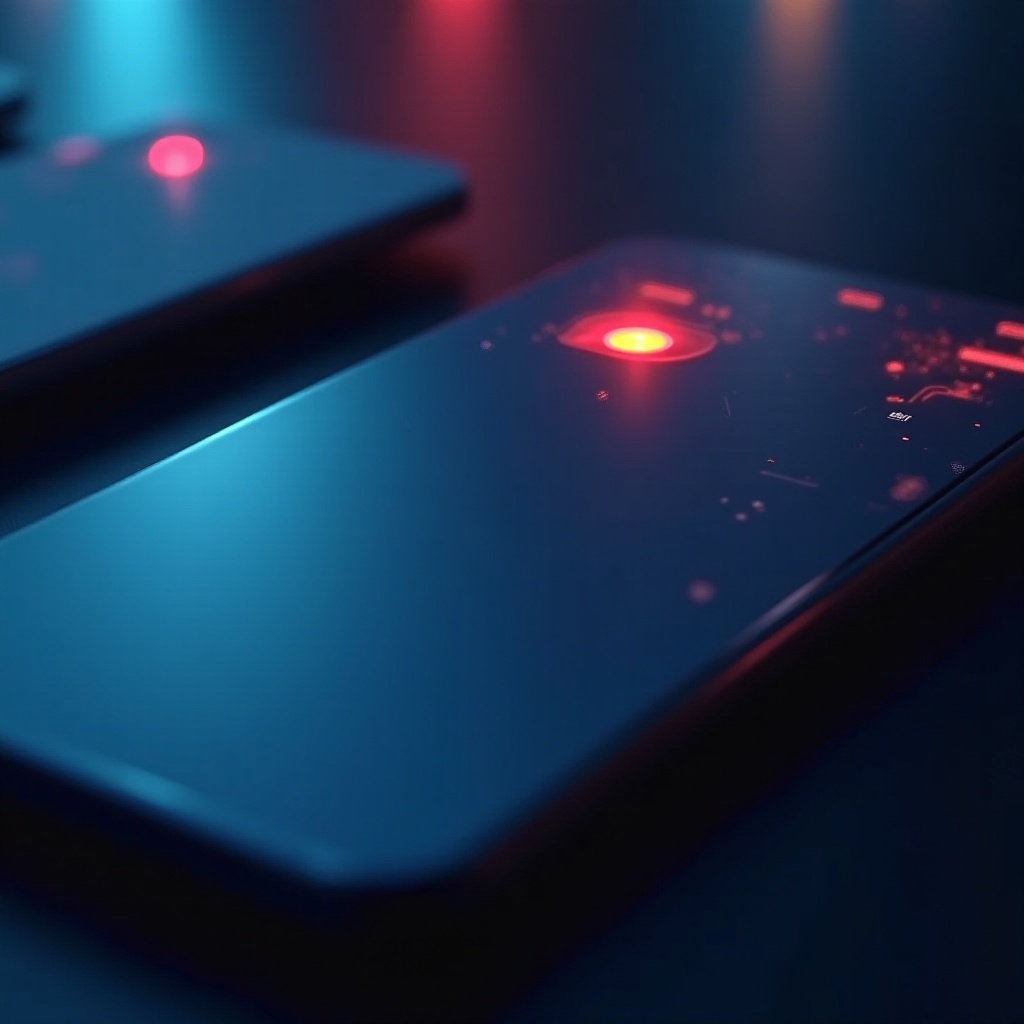
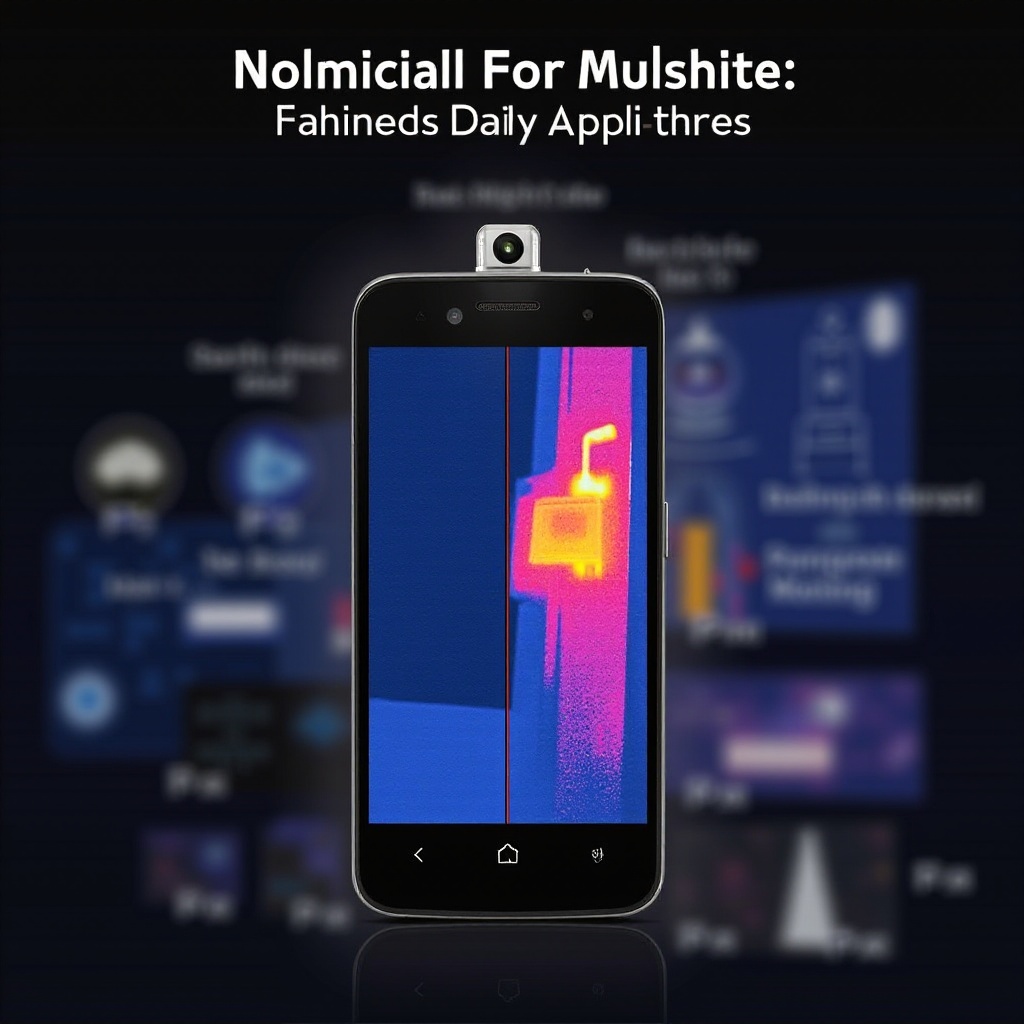
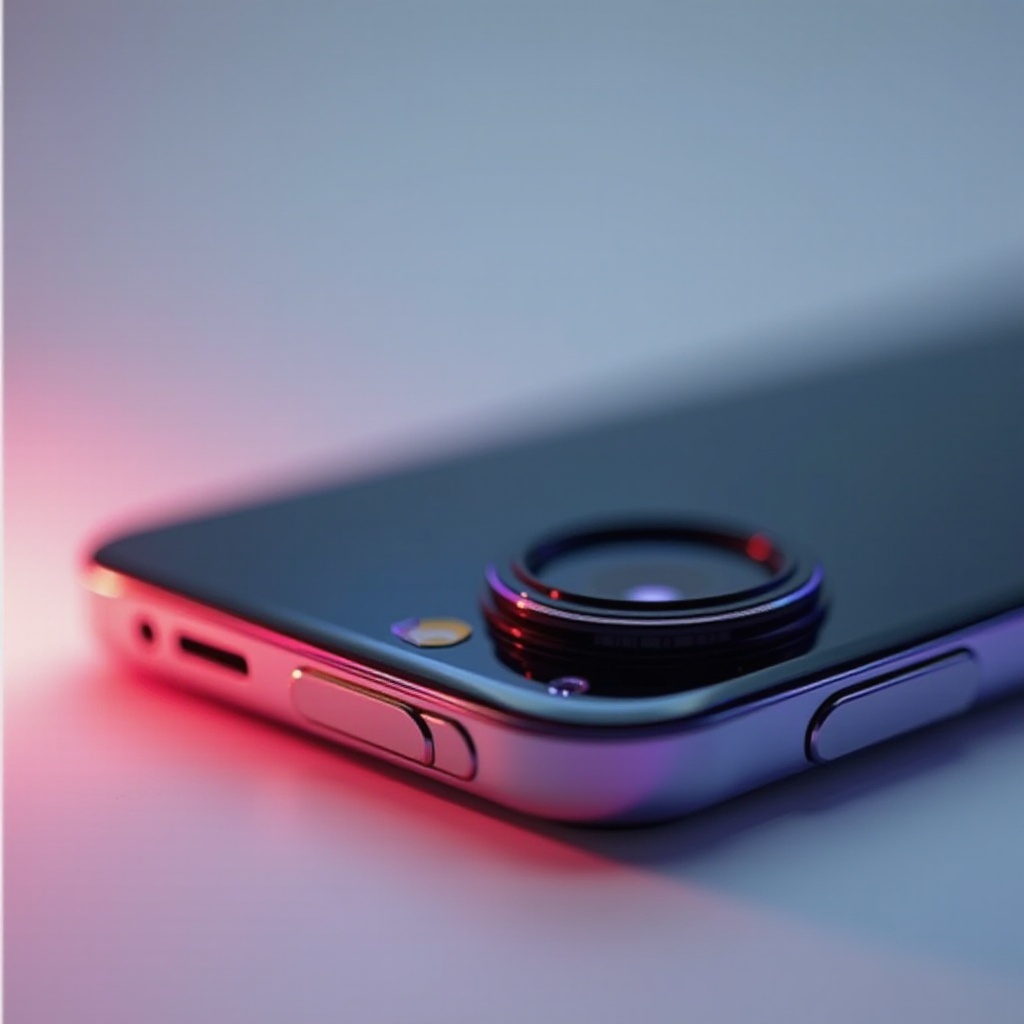
Infrared cameras capture images based on heat rather than visible light. This ability allows phones to be used in low-light conditions and for thermal imaging. By using sensors that detect infrared radiation and converting it into electronic signals, they provide an image that offers unique information compared to standard cameras.
Top Benefits of Infrared Cameras in Smartphones
Infrared cameras bring numerous advantages:
- Enhanced Night Photography: They capture vivid and detailed images at night or in poor lighting without requiring a flash.
- Health and Safety Monitoring: Capable of measuring body temperature to identify fevers, these cameras offer peace of mind for health-conscious users.
- Energy Efficiency Checks: Identify heat loss or inefficient appliances in a household setting, aiding in energy management.
- Augmented Privacy and Security: Allowing users to monitor surroundings in dark conditions, boosting security routines.
The range of benefits emphasizes how infrared cameras improve smartphone functionality beyond traditional boundaries.
Popular Smartphones with Infrared Cameras in 2024
In 2024, several prominent smartphones feature infrared technology:
- Model Alpha: Offers unparalleled photography features with its advanced infrared capabilities, perfect for photography lovers.
- Model Beta: Specializes in health-related functionality, providing accurate, on-the-spot temperature readings.
- Model Gamma: Delivers a comprehensive package, balancing security features with smart homes and general convenience.
Each of these models showcases how brands are leveraging infrared technology to satisfy varied consumer demands, pushing innovation forward.
Applications of Infrared Cameras in Daily Life
Infrared cameras are transformative in numerous areas:
-
Night Photography: They bring nocturnal scenes to life with incredible detail and clarity without flash, reshaping how night events are captured.
-
Health and Safety Features: Infrared cameras present a practical solution in health diagnostics, especially crucial during global health challenges where temperature screenings become routine.
-
Home Automation and Security: Used as a component in smart home systems, infrared cameras enhance security by detecting unusual thermal patterns, potentially preventing disasters.
These varied applications highlight the growing necessity of having such cutting-edge technology in everyday life, blending seamlessly with modern living.
Challenges and Limitations of Infrared Smartphone Cameras
Despite their advantages, limitations exist:
-
Resolution Constraints: Often, these sensors don’t match the image clarity of conventional cameras.
-
Higher Power Usage: They typically consume more battery power, impacting longevity during extensive use.
-
Increased Cost: Infrared technology can raise smartphone prices, making them less attainable for budget-conscious buyers.
Addressing these issues could lead to broader adoption and continuous improvement of infrared camera technology in smartphones.
Future of Infrared Technology in Smartphones
The future holds promise for infrared cameras in smartphones:
-
Sensor Advancements: Innovation is likely to improve resolution and efficiency, overcoming current limitations effectively.
-
AI Integration: Artificial intelligence might enable smarter processing of infrared data to enhance applications in health and home automation.
-
Wider Accessibility: As manufacturing technology improves, costs might decrease, broadening access to infrared-equipped devices.
These developments could significantly boost the appeal of infrared cameras, making them a staple in future smartphone generations.
Conclusion
Smartphones with infrared cameras hold tremendous potential by enhancing photography, boosting safety, and streamlining energy use. Although they face challenges like cost and resolution, future advancements promise exciting possibilities, reinforcing the relevance and necessity of this innovation.
Frequently Asked Questions
Can I use an infrared camera in my smartphone for thermal imaging?
Yes, smartphones with infrared cameras perform thermal imaging by detecting heat emitted from objects, useful for various practical applications.
Are infrared cameras in smartphones suitable for professional photography?
While useful for low-light or artistic scenarios, infrared cameras may not match the resolution needed for professional photography without additional technology.
How does an infrared camera affect battery life in smartphones?
Infrared cameras consume more power, leading to faster battery drainage, so users may need to manage battery usage when using infrared features frequently.