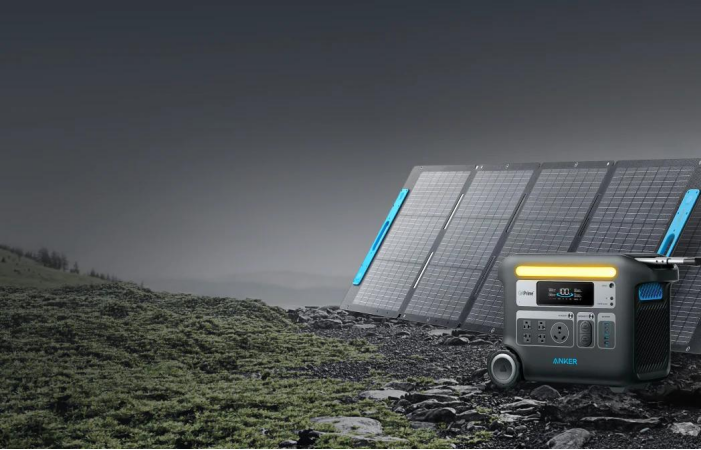
The decision to invest in solar panel battery banks often hinges on a variety of factors. As innovative products like Anker Solix solar panels offer remarkable conversion efficiency of up to 23%~25% and 99% MPPT efficiency, more homeowners are considering harnessing solar energy to achieve energy independence. Coupled with the reliability of advanced LiFePO4 batteries and InfiniPower™ technology, these systems make solar energy more accessible than ever. However, understanding their potential beyond these features is crucial. Do they align with your energy needs? Do the benefits outweigh the costs? These are the pressing questions to address when contemplating whether solar panel battery banks are a wise investment for your home.
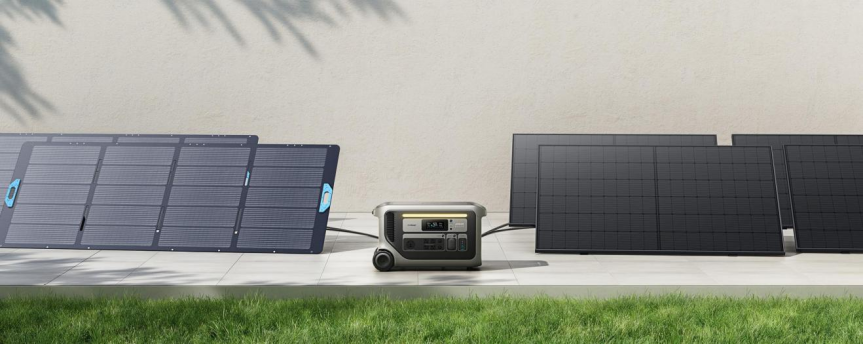
Key Benefits of Solar Panel Battery Banks
Energy Independence and Backup Power Security
Solar panel battery banks provide a significant step towards energy independence, eliminating the sole reliance on traditional grid electricity. Owners can store excess energy generated during sunny days for later use, ensuring a consistent power supply even during outages. This ability to maintain power security mitigates the impact of grid failures and can be lifesaving during emergencies. By investing in these systems, households gain control over their energy sources. This means no more vulnerability to fluctuating grid prices or unexpected outages. In essence, these battery banks empower homeowners with a reliable, self-sufficient energy solution that meets today’s demand for secure and sustainable living.
Lower Electricity Bills and Energy Control
Using solar panel battery banks can dramatically reduce electricity bills. By storing solar energy, homeowners can utilize their own power instead of drawing from the grid, especially during peak hours when energy rates soar. This autonomy not only leads to immediate savings but also long-term financial benefits. Moreover, users can monitor their consumption closely with smart technology, optimizing their energy use to fit their specific needs. This newfound energy control ensures that each watt generated and consumed is purposeful, maximizing efficiency. Whether through a full residential system or a smaller solar power bank for targeted usage, reduced dependency on external power sources makes those hefty electricity bills a thing of the past.
Clean Energy and Reduced Carbon Footprint
One of the most compelling reasons to invest in solar panel battery banks is their potential to lower your carbon footprint. As renewable energy sources, solar installations produce zero emissions and drastically reduce the reliance on fossil fuels. This shift not only benefits the environment but also contributes to the fight against climate change. Anker’s advanced solar panels, combined with the longevity of InfiniPower™ technology, enhance sustainable energy production. By choosing these systems, you commit to a cleaner environment and inspire a collective move towards eco-friendly living. Imagine powering your home with energy that leaves a minimal carbon footprint.
Financial Factors That Affect Return on Investment
Electricity Rates, Incentives, and Rebates
Evaluating the return on investment for solar panel battery banks heavily depends on electricity rates and available incentives. High electricity rates in your area can amplify the cost-saving benefits, making these systems more attractive. Government and local incentives, like tax credits and rebates, can significantly reduce initial costs. It is essential to research and capitalize on these financial aids, as they can considerably influence your investment’s profitability. Thus, understanding your regional energy landscape and the financial support available is paramount in determining whether this sustainable solution offers substantial financial returns for your household.
Battery Lifespan and Replacement Cycles
The longevity and durability of the battery banks are crucial financial considerations. Advanced LiFePO4 batteries, like those in Anker systems, offer extended lifespan and reliability, ensuring you get the most out of your investment. However, all batteries eventually require replacement. It’s vital to account for the lifespan and replacement costs during your initial investment planning to avoid unexpected future expenditures. These replacement cycles could affect the overall cost-effectiveness unless appropriately budgeted. A longer battery life reduces the frequency of replacements, thereby enhancing the long-term viability and cost savings of the system.
Usage Patterns and Daily Energy Savings
To maximize your investment in solar panel battery banks, analyze your daily energy usage patterns. Systems that align well with your specific consumption habits promise optimal energy savings. By reviewing when and how your household utilizes energy, adjustments can be made to optimize solar usage, preventing wastage and maximizing savings. Energy audits can help pinpoint areas where solar input can replace grid reliance. Ultimately, consistent daily savings rely on optimized energy patterns, which are crucial in calculating the real value and payback period of your solar investment.

Limitations and Risks to Consider Before Investing
Initial Cost Barriers and Payback Time
Despite their many benefits, solar panel battery banks come with high initial costs. The upfront expenses may deter some potential buyers, although efficient systems and incentives can offset these. Understanding the payback time is essential; it varies widely based on several factors like locale, electricity rates, and installation size. Thoroughly analyzing these components can help manage expectations and align them with financial goals. While every investment carries some risks, a well-researched approach enables you to evaluate the cost-benefit ratio more accurately, focusing on long-term gains over immediate expenditure.
Weather Dependence and Energy Production Limits
Solar energy systems are inherently dependent on weather conditions for optimal performance. A cloudy location may not produce as much energy, impacting storage and supply. It’s crucial to consider the local climate when deciding whether these systems will meet your energy needs consistently. Weather fluctuations can lead to inconsistencies in energy production, creating limitations during times of reduced sunlight. Proper planning, which may involve integrating complementary energy sources, ensures these systems remain beneficial despite environmental variables. Understanding these constraints upfront helps set realistic expectations and optimizes overall system performance.
Conclusion
Investing in solar panel battery banks offers substantial benefits, from energy independence and cost savings to environmental preservation. They enable homeowners to take control of their energy future, enjoying reduced bills and peace of mind. While the initial investment is significant, incentives and strategic usage patterns can offset costs, leading to reliable long-term savings. Still, weighing potential limitations like weather dependence and upfront costs is necessary to set attainable expectations. Ultimately, well-informed decisions backed by thorough research can render solar panel battery banks a fruitful investment, promoting sustainable living and enhancing home energy resilience.